
Kling 3 Just Dropped: Will Wan 3 Be the Next Big Shock? (The AI Video Arms Race)
If you have been following the AI video generation space for the last six months, you know it feels less like a typical tech development cycle and more like a heavyweight boxing match.
Just days ago, Klingai dropped a massive bombshell: Kling 3. With its Omni model architecture and native lip-sync capabilities, it has arguably claimed the title of "King of AI Video"—for now. The community is shaking, creators are scrambling to update their workflows, and the standard for "good AI video" has shifted overnight.
But if history has taught us anything, it’s that Wan (the team behind the impressive Wan 2.1 and Wan 2.6) never stays quiet for long. The community is buzzing with one question: "When is Wan 3 coming out, and will it be enough to beat Kling3?"
In this extensive 2,500-word analysis, we are going to look at the fierce rivalry between these two giants, recap the famous "Audio Wars," and make some bold, data-backed predictions about the Wan 3 release date and features.
The "Ping-Pong" History: Kling vs. Wan
To understand where we are going, we have to look at the Wan 2.5 vs Kling 2.5 audio battle. This specific period defined the current competitive landscape and explains why Kling 3 Video is designed the way it is.
Round 1: The Sound of Silence
When the earlier versions of Klingai launched, they were visually stunning. The prompt adherence was great, and the motion was smooth. But it had one glaring weakness: it was silent. Creators had to use external tools like Suno or Udio to generate sound effects and then manually edit them in Premiere Pro. It was a fragmented workflow.
Round 2: Wan Draws First Blood
Then came Wan Video (version 2.5). While its visual fidelity was arguably on par with Kling, it introduced a killer feature: Native Audio. Suddenly, a video of a car crashing sounded like a car crashing. A clip of a dog barking had a bark.
For a few weeks, the search query "Wan AI vs Kling" dominated Google trends. Users flocked to Wanai simply for the workflow efficiency. It was a tactical victory that caught the Kling team off guard.
Round 3: Kling's Counterattack (Version 2.6)
Kling didn't just sit back. They rushed out Kling 2.6, which not only added audio generation to match Wan but improved the visual quality significantly. This was a classic "arms race" move. They didn't just catch up; they tried to overtake.
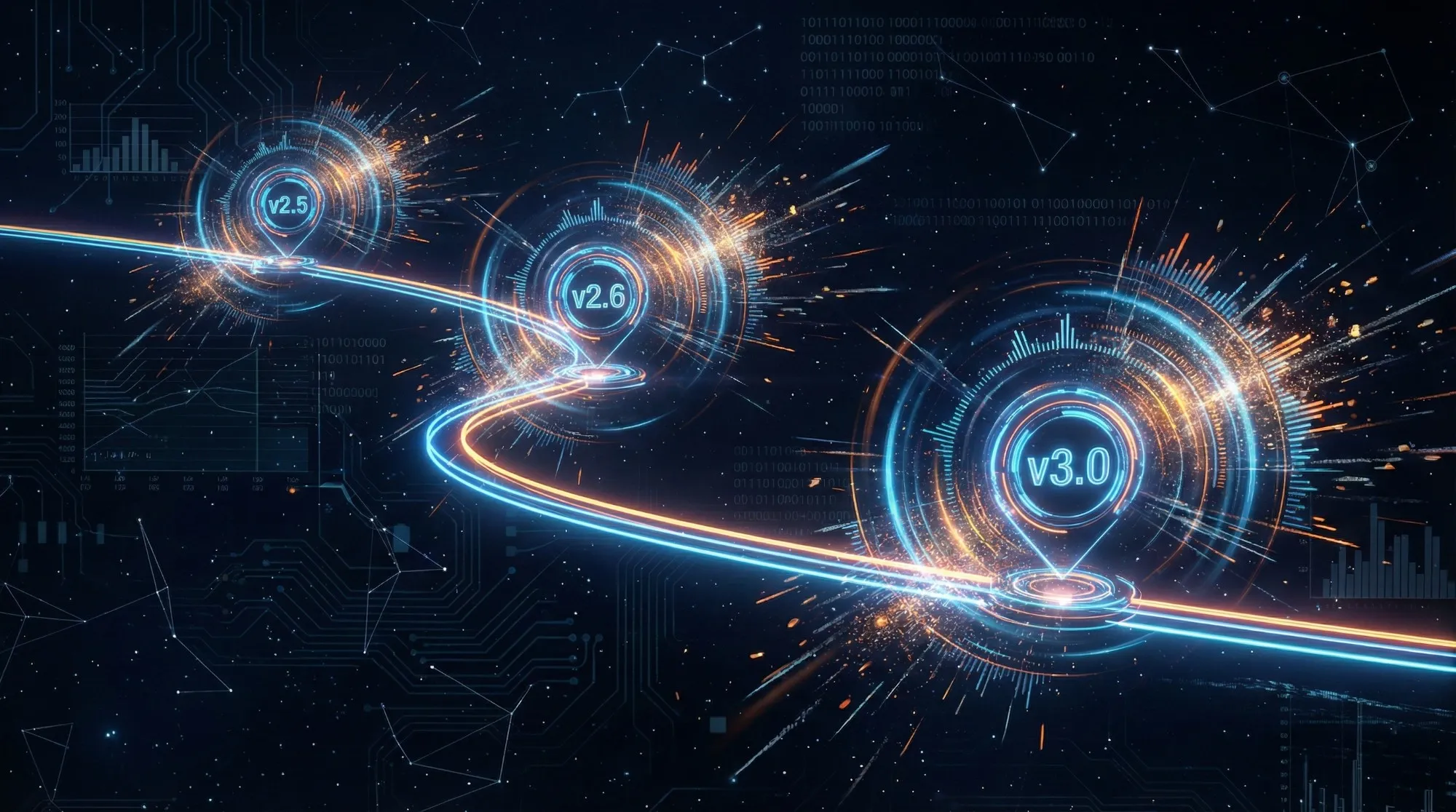
Then came Wan 2.6. Surprisingly, it was a more modest update—mostly optimizing speed and stability rather than introducing a "wow" feature. This led many industry insiders to believe: The Wan team is saving the big guns for Wan3.
The New Standard: What Wan 3 Must Beat
With the release of Kling 3 ai, the bar has been raised incredibly high. The new features are not just incremental updates; they are generational leaps. This is the fortress that Wan 3 must siege.
Kling3 features include true multimodal understanding (the Omni model) and, most importantly, Lip Sync.
1. The Lip Sync Barrier
Kling 3 lip sync has fundamentally changed the game. It allows characters to deliver dialogue naturally. Currently, Wan 2.6 has no native capacity for this.
- The Challenge: If Wan3 Video launches without dialogue support, it will be relegated to B-roll generation. Narrative filmmakers—the biggest spenders in this market—will migrate entirely to Klingai 3.
2. The Duration Game
Kling 3 Video now supports 15-second generation in a single pass. Wan model generations are currently capped at shorter bursts (typically 5s, extendable to 10s). Longer generation times are crucial for establishing shots and slow-burn scenes. A Wan3 update that doesn't hit at least the 10-second mark for base generation will feel outdated on day one.
3. Coherence vs. Chaos
Klingai has leaned heavily into "control"—giving users Director Mode and strict prompt adherence. Wanai, on the other hand, has traditionally been known for "wild creativity" and dynamic motion. The question is: Can Wan 3 ai tame its chaos without losing its soul?
Deep Dive: The Architecture of the Rivalry
Why are these two models so different? It comes down to their training philosophy.
Kling 3 text to video focuses on Semantic Accuracy. When you type "a cat sitting on a blue mat," Kling3 ensures the mat is blue and the cat is sitting. It prioritizes the prompt.
Wan Video, historically, focuses on Motion Dynamics. When you prompt for "an explosion," Wanai often generates a more chaotic, physics-heavy debris field than Kling.
This divergence sets the stage for the Wan 3 predictions. We don't expect Wan to simply copy Kling 3 image to video features. We expect them to double down on their own strengths.
Predictions: What Will Wan 3 Look Like?
So, what can we expect? Based on the technology trajectory and user wishlists, here are our Wan 3 predictions.
Prediction 1: Focusing on "Motion Magnitude"
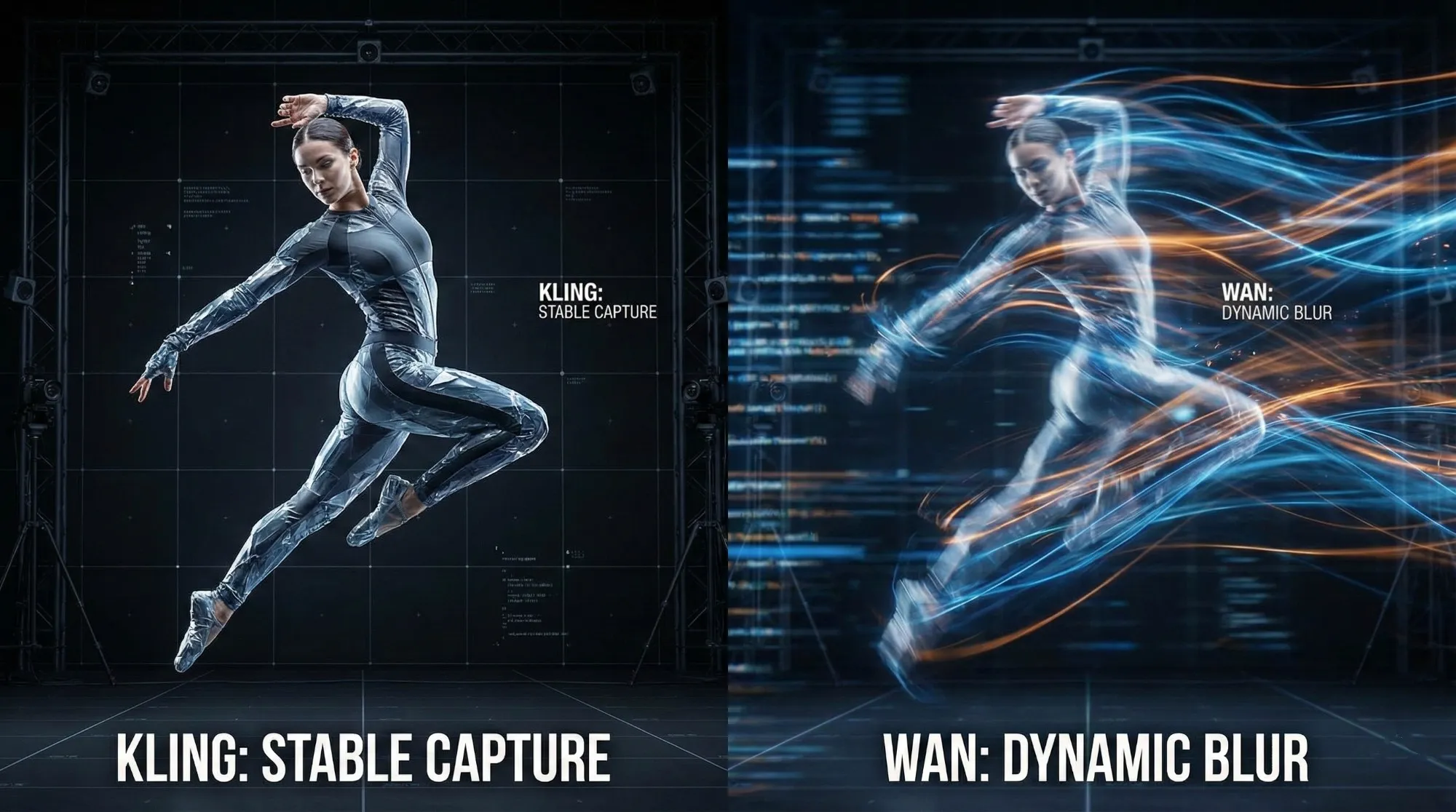
While Kling 3 ai focuses on stability, Wan3 will likely position itself as the artist's choice for extreme movement.
- Forecast: We believe Wan 3 Video will excel in large-scale motion. Think: complex fight choreography, parkour, or intense weather storms that Kling3's "safe" model might smooth out too much.
- Why it matters: Users searching for "best AI for action scenes" often prefer Wanai. If Wan 3 can offer "Motion Magnitude" that is 2x greater than Kling, they carve out a massive niche.
Prediction 2: The "Open" Card? (WanX Rumors)
This is the biggest wildcard. There are rumors (and hopes) in the developer community regarding open source AI video models.
- Klingai 3 is a closed, SaaS-only product. You pay for credits, you use their server.
- If Wanai decides to release a "Wan-X" open weights model or a local version for high-end GPUs, they would instantly win over the entire technical community. This would be their "nuclear option" against Kling 3 dominance.
Prediction 3: Speed and Efficiency
Wan's architecture has often been lighter than Kling's. Wan3 might position itself as the fastest generator.
- Scenario: Imagine Kling 3 video generator takes 3 minutes to render a 5-second clip. If Wan 3 can deliver 90% of that quality in 45 seconds, high-volume creators (like TikTokers and YouTubers) will switch to Wanai 3 instantly. Speed is a feature.
User Persona Battle: Which Tool is For You?
Let's break down the Kling 3 vs Wan 3 battle based on who you are. The "best" tool depends entirely on your role.
1. The Narrative Filmmaker
- Your Goal: Making a short film with dialogue and recurring characters.
- Current Winner: Kling 3.
- Why: The Kling 3 consistency and Lip Sync are non-negotiable here. You need the character to look the same in Shot A and Shot B. Wan 2.6 struggles with this level of identity retention.
- Wan 3 Hope: Unless Wan3 introduces a "Character Lora" or "Reference ID" system, Kling wins this category.
2. The Social Media Marketer
- Your Goal: 50 clips a day for Instagram Reels / TikTok.
- Current Winner: Wan Video (potentially).
- Why: If Wanai maintains its speed advantage and lower cost, it's better for "content farming." You don't need Oscar-level consistency; you need cool visuals fast.
- Wan 3 Hope: If Wan 3 ai includes a bulk-generation mode, it will lock down this market.
3. The Music Video Director
- Your Goal: Abstract, trippy, high-energy visuals that match a beat.
- Current Winner: Tie (leaning towards Wanai).
- Why: Klingai 3 can sometimes be "too realistic" and boring. Wan Video hallucinations can create accidental art that looks perfect for a music video.
- Wan 3 Hope: We hope Wan 3 keeps the "high temperature" creativity slider.
Prompt Engineering: Kling 3 vs Wan 3
Adapting to these models requires different prompting strategies.
Prompting for Kling 3: You need to be a Director.
"A cinematic wide shot of a futuristic city, 35mm lens, f/1.8, slow dolly zoom forward, highly detailed textures, consistent lighting." Kling3 respects the camera terminology ("dolly zoom", "f/1.8").
Prompting for Wan (and likely Wan 3): You need to be a Painter/Physicist.
"Cyberpunk city exploding with neon lights, fast motion, blur, chaotic energy, heavy rain, wind blowing debris, 4k." Wan3 will likely respond better to "energy" words ("chaotic", "fast", "exploding") than technical camera terms.
Should You Switch to Kling 3 or Wait for Wan3?
This is the most common question we get: "Is Wanai 3 coming soon? Should I use Kling 3 now?"
The honest answer is: Use what works today, but be ready for tomorrow.
Kling 3 Video is currently the superior tool because of its Omni model capabilities. If you need to make a talking head video or a coherent short film today, Kling3 is your best option.
However, staying updated is key. We are monitoring the Wan 3 release status 24/7.
- Our Promise: As soon as Wan 3 goes live, we will integrate support or provide immediate access resources right here on our platform.
- By sticking with us, you don't need to choose sides. You will always have access to the cutting edge, whether it's Klingai 3 or Wanai 3.
The Verdict: The Arms Race is Good for You
We are in the golden age of AI video. The rivalry between these companies forces them to innovate faster.
- When Wan 2.5 released audio, Klingai had to follow.
- Now that Kling 3 has Lip Sync, Wan 3 must follow.
We predict Wan 3 will likely drop within the next 4-8 weeks to counter the momentum of Kling 3.
Don't worry about missing out. We will be the first to feature Wan 3 resources the second it goes live.
Ready to master AI video today? Stay ahead of the curve. Keep using Kling 3 and watch this space for the Wan revolution. Access the latest tools right here at Kling 2.6.
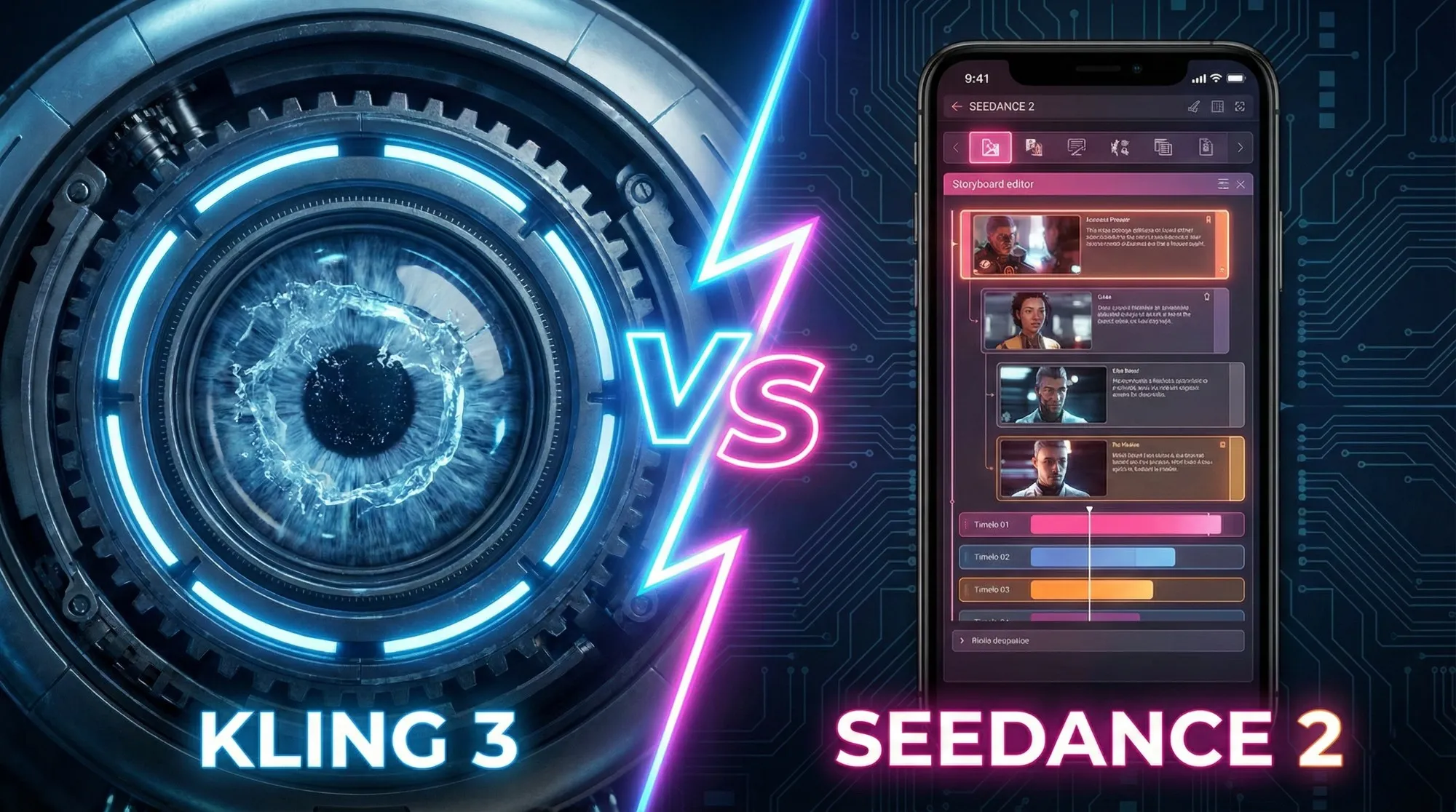
Kling 3 vs Seedance 2: The Definitive Tech Report & Comparison (2026)
The era of random AI video is over. We compare the "Physics Engine" (Kling 3) against the "Narrative System" (Seedance 2). Which ecosystem rules 2026?
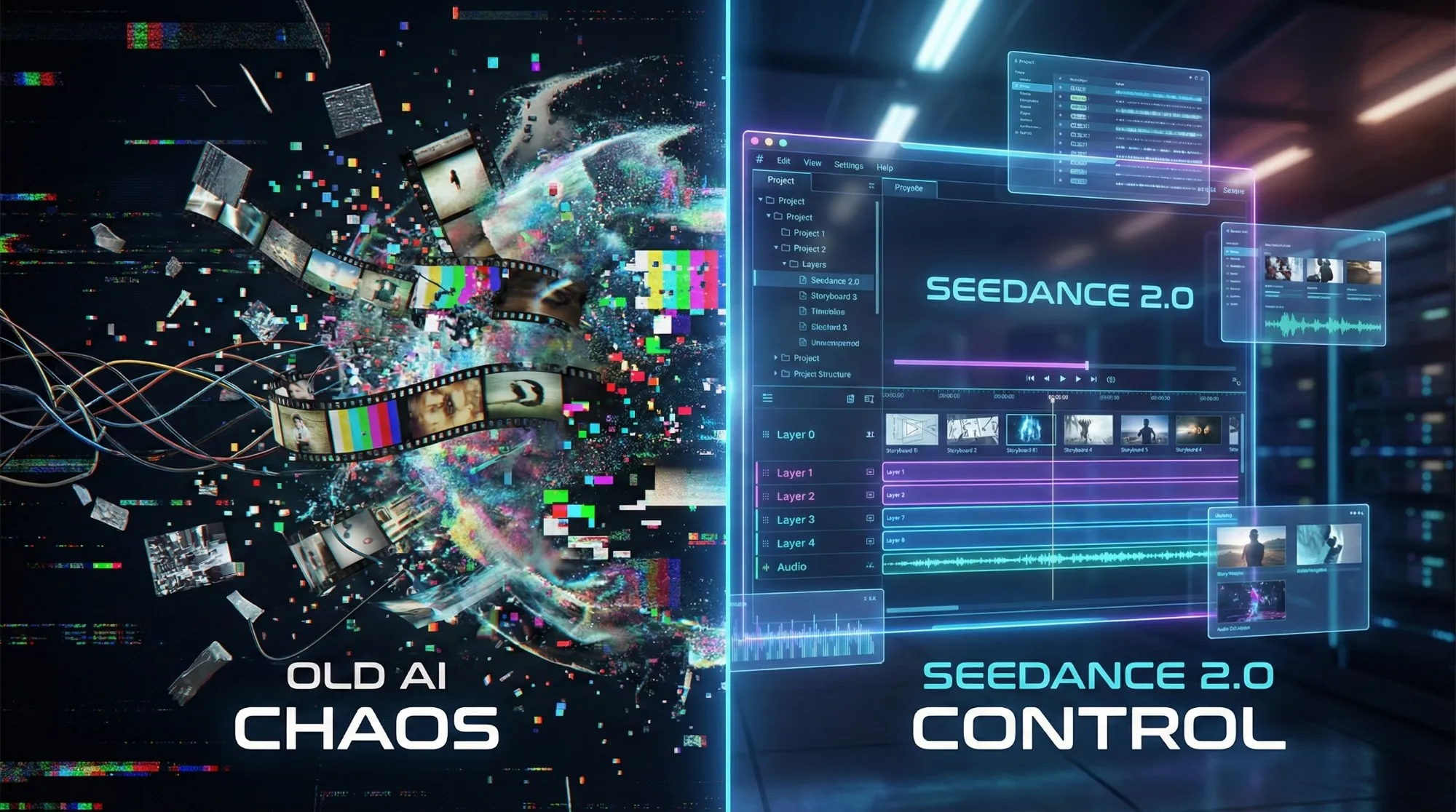
Seedance 2 Review: Is Jimeng 2.0 the End of "Gacha" AI Video?
Seedance 2 (Jimeng) is here with 4K resolution and revolutionary storyboard control. We test if Seedance2 finally solves the consistency problem for AI filmmakers.
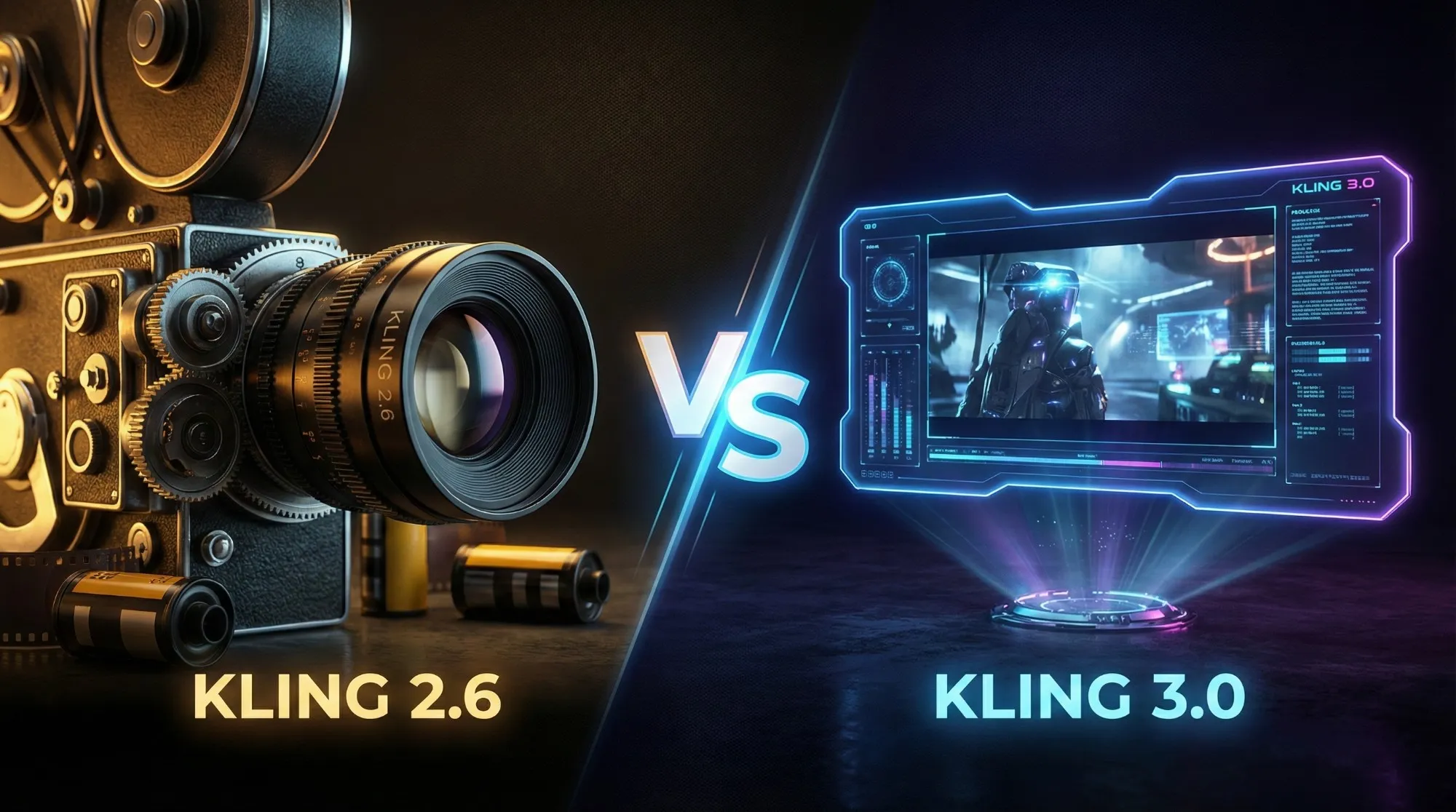
Kling 3 vs Kling 2.6: The Ultimate Comparison & User Guide (2026)
Kling 3 Video is here with Omni models and native lip-sync. How does it compare to Kling 2.6? We break down the differences, features, and which Klingai tool you should choose.